As cloud computing cost takes center stage, this opening passage beckons readers into a world crafted with good knowledge, ensuring a reading experience that is both absorbing and distinctly original.
Cloud computing costs are influenced by various factors such as scalability, storage, and service level agreements. Strategies to optimize costs, comparison of pricing models, and hidden expenses are key areas to explore in this dynamic landscape.
Factors influencing cloud computing costs
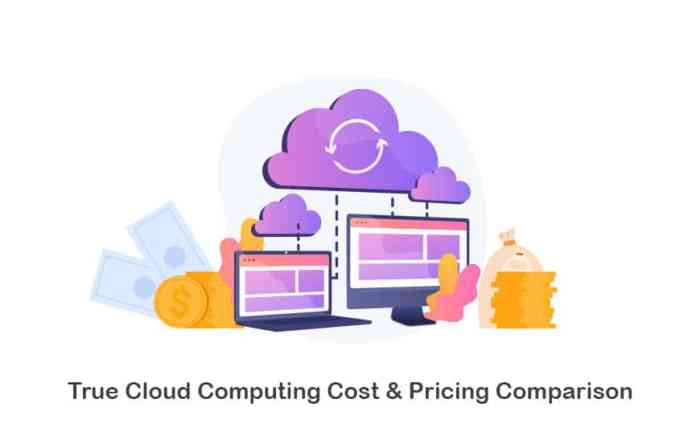
Cloud computing costs are influenced by various factors that impact pricing and overall expenses for users. Understanding these key factors is essential for managing and optimizing cloud expenses effectively.
Scalability
Scalability plays a crucial role in determining cloud computing costs. The ability to scale resources up or down based on demand directly affects pricing. Users pay for the resources they use, making scalability a significant factor in cost management.
Storage
The amount of data stored in the cloud directly impacts costs. Storage costs can vary based on the volume of data and the type of storage services utilized. Effective data management strategies are essential for controlling storage-related expenses.
Data Transfer
Data transfer costs are another important factor in cloud computing expenses. Moving data in and out of the cloud can incur additional charges, especially for large volumes of data. Organizations need to consider data transfer costs when planning their cloud usage.
Service Level Agreements (SLAs)
Service Level Agreements define the terms and conditions of cloud service delivery, including performance guarantees and support levels. Different SLA tiers can impact pricing, with higher levels of service often associated with increased costs. Understanding SLAs is crucial for budgeting and cost estimation.
Geographic Location and Demand-Supply Dynamics
The geographic location of cloud data centers can influence costs due to factors such as energy prices, labor costs, and regulatory requirements. Demand-supply dynamics also play a role, with peak usage times potentially leading to higher prices. Organizations need to consider these factors when evaluating cloud providers and pricing models.
Strategies to optimize cloud computing costs

Optimizing cloud computing costs is essential for businesses to maximize their resources and budget efficiently. By implementing the following strategies, organizations can effectively manage their cloud spending and ensure cost-effectiveness.
Rightsizing Instances
Rightsizing instances involves selecting the appropriate instance type based on your application requirements. By matching the resources to your workload needs, you can avoid overprovisioning and reduce unnecessary expenses.
Leveraging Spot Instances
Spot instances offer significant cost savings compared to on-demand instances. By utilizing spot instances for non-critical workloads or tasks that can tolerate interruptions, organizations can optimize their cloud spending effectively.
Using Auto-Scaling Features
Auto-scaling allows organizations to automatically adjust the number of resources based on demand. By scaling up during peak usage periods and scaling down during off-peak times, businesses can optimize resource utilization and minimize costs.
Monitoring and Analyzing Usage Patterns
Regularly monitoring and analyzing usage patterns can provide valuable insights into resource utilization. By identifying idle resources, underutilized instances, or inefficient workflows, organizations can make informed decisions to optimize their cloud spending.
Utilizing Reserved Instances, Discounts, and Volume Pricing
Reserved instances, discounts, and volume pricing options offered by cloud providers can lead to significant cost savings. By committing to reserved capacity or taking advantage of discounts based on usage volume, organizations can optimize their cloud computing costs and achieve greater efficiency.
Comparison of pricing models
When it comes to cloud computing costs, understanding the different pricing models offered by cloud service providers is crucial for effective cost management. Let's compare and contrast these pricing models to see which one suits your needs best.
Pay-as-you-go pricing
Pay-as-you-go pricing model allows you to pay only for the services you use, making it a flexible option for businesses with fluctuating workloads. This model is advantageous as it does not require any upfront commitment and provides the ability to scale resources up or down based on demand.
However, it can be more expensive in the long run compared to subscription-based pricing for consistent workloads.
Subscription-based pricing
Subscription-based pricing involves a fixed monthly or annual fee for a predetermined amount of resources. This model provides predictability in costs and can be cost-effective for stable workloads. However, it may not offer the same level of flexibility as pay-as-you-go pricing, as resources cannot be scaled as easily.
Spot pricing
Spot pricing allows users to bid on unused cloud resources, potentially leading to significant cost savings. This model is ideal for non-time-sensitive workloads or applications that can be paused during peak pricing periods. However, there is a risk of losing access to resources if the spot price exceeds your bid, making it less predictable than other pricing models.
Hidden costs in cloud computing

When estimating cloud computing expenses, it is crucial to consider the hidden costs that may not be immediately apparent. These costs can significantly impact the overall budget and should not be overlooked. In this section, we will identify some common hidden costs in cloud computing and discuss strategies to effectively manage them.
Data Transfer Costs
Data transfer costs are often overlooked but can add up quickly, especially if there is a significant amount of data being moved between different cloud services or regions. It is essential to understand the pricing structure for data transfer and consider ways to minimize unnecessary transfers.
Strategies such as optimizing data storage locations and using compression techniques can help mitigate these costs.
Compliance and Security Costs
Ensuring compliance with industry regulations and maintaining robust security measures are vital in cloud computing. However, these efforts can incur additional costs, such as investing in encryption services, implementing access controls, and conducting regular audits. Organizations must budget for these compliance and security costs to safeguard their data and infrastructure effectively.
Additional Services Costs
While the base price of cloud services may seem affordable, additional services can quickly drive up costs. Features like monitoring tools, backup services, and technical support may come at an extra cost but are essential for optimal performance and reliability.
It is essential to carefully evaluate the need for these additional services and budget accordingly to prevent unexpected expenses.
Last Word
In conclusion, navigating the realm of cloud computing costs requires a blend of strategic thinking and informed decision-making. By understanding the factors at play, implementing cost-saving strategies, and being aware of hidden expenses, businesses can effectively manage their cloud expenditure and maximize their ROI.
Detailed FAQs
What are some key factors influencing cloud computing costs?
Factors such as scalability, storage, data transfer, and service level agreements can significantly impact the cost of cloud computing services.
How can I optimize my cloud computing costs?
You can optimize costs by rightsizing instances, using spot instances, auto-scaling features, monitoring usage patterns, and leveraging reserved instances and discounts.
What are some common pricing models offered by cloud service providers?
Cloud service providers offer pricing models like pay-as-you-go, subscription-based, and spot pricing, each with its own advantages and disadvantages in cost management.
What hidden costs should I be aware of in cloud computing?
Hidden costs related to data transfer, compliance, security, and additional services are often overlooked but can impact overall expenses. Mitigating strategies are vital for effective budgeting.