Navigating the complex world of multi cloud management requires a strategic approach that balances efficiency, security, and cost-effectiveness. With the rise of cloud computing, businesses are increasingly turning to multiple cloud providers to meet their diverse needs. In this guide, we will delve into the key aspects of multi cloud management, exploring tools, challenges, best practices, and real-world case studies to help you optimize your cloud strategy.
Overview of Multi Cloud Management
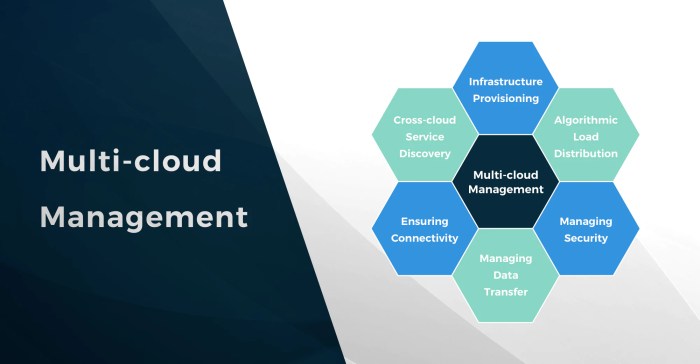
Multi cloud management involves the process of overseeing and controlling multiple cloud services from different providers. This strategy allows organizations to distribute workloads across various cloud platforms to optimize performance, reduce downtime, and enhance data security.
Popular Multi Cloud Management Tools
- CloudHealth by VMware
- IBM Cloud Pak for Multicloud Management
- Morpheus Data
- Flexera
Benefits of Utilizing Multi Cloud Management Strategies
- Enhanced Flexibility: Organizations can choose the best cloud services for specific workloads.
- Improved Redundancy: Reducing the risk of downtime by spreading workloads across multiple cloud providers.
- Cost Optimization: Ability to leverage cost-effective options from different providers.
- Increased Data Security: Enhancing data protection through multiple layers of security provided by different cloud platforms.
Comparison of Multi Cloud Management with Single Cloud Management
- Single Cloud Management:
- Relies on a single cloud provider for all services.
- May face limitations in terms of scalability and flexibility.
- Increased risk of downtime if the sole provider experiences issues.
- Multi Cloud Management:
- Utilizes multiple cloud providers for diversified services.
- Offers greater flexibility and scalability options.
- Reduces the risk of downtime by distributing workloads across various platforms.
Challenges of Multi Cloud Management
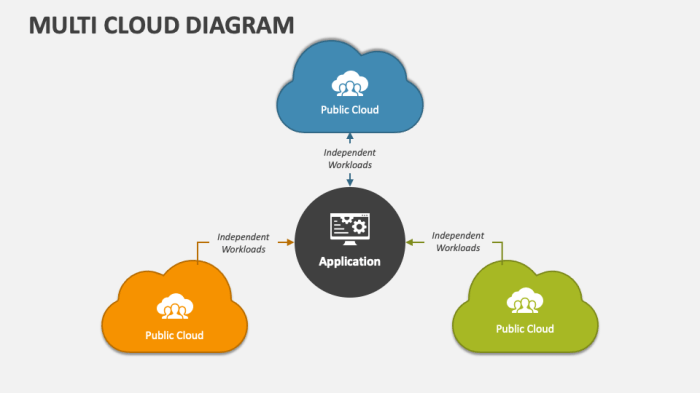
Managing multiple cloud environments comes with its own set of challenges that organizations need to address in order to ensure smooth operations and optimal performance. From security concerns to data integration complexities, there are several obstacles that need to be overcome when dealing with multi cloud environments.
Security Concerns in Multi Cloud Management
Security is a top priority when it comes to managing multiple cloud platforms. With data spread across different clouds, ensuring the confidentiality, integrity, and availability of information becomes a major challenge. Organizations need to implement robust security measures, such as encryption, access controls, and regular security audits, to safeguard their data from unauthorized access and cyber threats.
Complexity of Data Integration Across Different Cloud Platforms
Integrating data across various cloud platforms can be a daunting task due to differences in data formats, protocols, and APIs. Data silos can hinder the flow of information and lead to inefficiencies in data processing and analysis. To overcome this challenge, organizations can leverage integration tools and platforms that support multi cloud environments and provide seamless data connectivity and interoperability.
Strategies for Overcoming Challenges in Multi Cloud Management
To successfully manage multiple cloud environments, organizations can adopt the following strategies:
- Implement a comprehensive cloud management platform that offers centralized visibility and control over all cloud resources.
- Establish clear policies and procedures for data governance, compliance, and risk management across all cloud platforms.
- Regularly monitor and analyze cloud performance metrics to identify potential issues and optimize resource utilization.
- Invest in employee training and awareness programs to enhance cloud security practices and mitigate risks.
By addressing security concerns, tackling data integration complexities, and implementing effective strategies, organizations can overcome the challenges associated with multi cloud management and unlock the full potential of their cloud infrastructure.
Best Practices for Multi Cloud Management
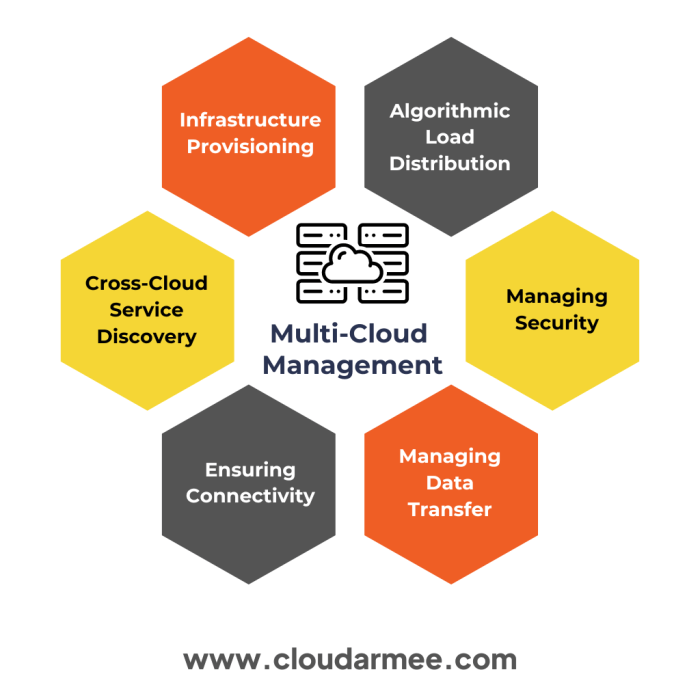
When it comes to managing multiple cloud environments, there are several best practices that can help optimize performance, reduce costs, and ensure compliance. Let's explore some key strategies:
Optimizing Cost in a Multi Cloud Environment
Cost optimization is crucial in a multi cloud setup to avoid overspending and maximize ROI. Here are some strategies to achieve this:
- Regularly review and optimize cloud usage to eliminate unnecessary resources.
- Implement automated scaling and resource allocation based on workload demand to avoid over-provisioning.
- Leverage reserved instances or spot instances to take advantage of cost savings opportunities.
- Use cloud cost management tools to track expenses and identify areas for optimization.
Ensuring Compliance and Governance Across Multiple Clouds
Compliance and governance are critical aspects of multi cloud management to ensure data security and regulatory adherence. Here are some tips to maintain compliance:
- Implement consistent security policies and access controls across all cloud environments.
- Regularly audit and monitor cloud configurations to identify and address any compliance gaps.
- Use encryption and data protection measures to safeguard sensitive information in transit and at rest.
- Ensure compliance with industry-specific regulations and standards relevant to your organization.
Efficient Resource Allocation in a Multi Cloud Setup
Effective resource allocation is key to optimizing performance and ensuring scalability in a multi cloud architecture. Here's how you can design a plan for efficient resource allocation:
- Implement a centralized resource management system to allocate resources based on workload requirements.
- Use workload orchestration tools to automate resource provisioning and deployment across multiple clouds.
- Monitor resource utilization and performance metrics to identify bottlenecks and optimize resource allocation.
- Implement load balancing and auto-scaling mechanisms to ensure efficient resource utilization and maintain high availability.
Monitoring and Performance Management in a Multi Cloud Architecture
Continuous monitoring and performance management are essential to ensure optimal operation and identify potential issues in a multi cloud environment. Here are some insights on monitoring and performance management:
- Utilize cloud monitoring tools to track performance metrics, detect anomalies, and troubleshoot issues proactively.
- Implement logging and monitoring solutions to gain visibility into application performance and infrastructure health across all clouds.
- Set up alerts and notifications to respond quickly to performance degradation or security incidents in any cloud environment.
- Regularly analyze performance data to identify trends, optimize resource allocation, and improve overall efficiency.
Case Studies on Successful Multi Cloud Management Implementations
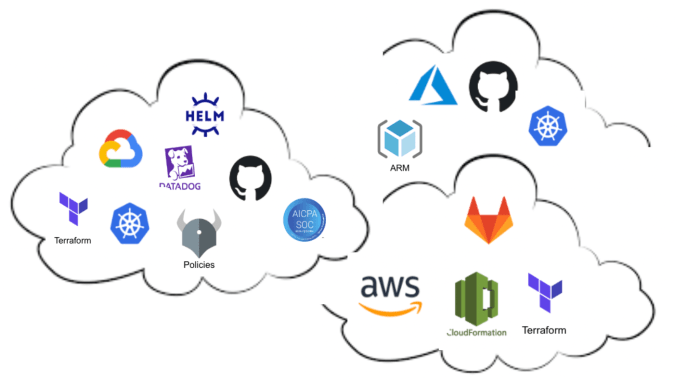
In the realm of multi cloud management, real-world examples of companies effectively navigating multiple cloud providers offer valuable insights into best practices and success factors. These case studies not only shed light on the challenges faced but also highlight the strategies that led to successful implementation.
Company A: Seamless Integration for Enhanced Performance
Company A, a global e-commerce giant, adopted a multi cloud strategy to leverage the unique strengths of different cloud providers. By distributing workloads across multiple clouds, they were able to achieve redundancy, scalability, and improved performance. Key factors contributing to their success included robust automation tools, standardized deployment processes, and a dedicated cloud management team.
Lessons learned from this case study emphasize the importance of thorough planning, clear communication among teams, and regular performance monitoring.
Company B: Cost Optimization and Flexibility
Company B, a leading software development firm, implemented a multi cloud approach to optimize costs and enhance flexibility. By strategically utilizing different cloud providers based on workload requirements, they were able to reduce expenses while ensuring high availability and disaster recovery capabilities.
The success of their implementation was attributed to detailed cost analysis, workload assessment, and continuous optimization efforts. This case study underscores the significance of cost-conscious decision-making, workload optimization, and agile resource allocation.
Company C: Enhanced Business Agility and Scalability
Company C, a growing tech startup, embraced multi cloud management to enhance business agility and scalability. By adopting a containerized approach and leveraging multiple cloud providers, they were able to quickly deploy and scale applications based on demand fluctuations. The key factors contributing to their success included container orchestration tools, automated scaling mechanisms, and a well-defined governance framework.
Lessons learned from this case study emphasize the importance of agility, scalability, and adaptability in today's dynamic business landscape.These case studies illustrate the significant impact of multi cloud management on business agility and scalability. By learning from successful implementations, organizations can effectively harness the power of multiple cloud providers to drive innovation, optimize costs, and stay ahead in a competitive market.
Outcome Summary
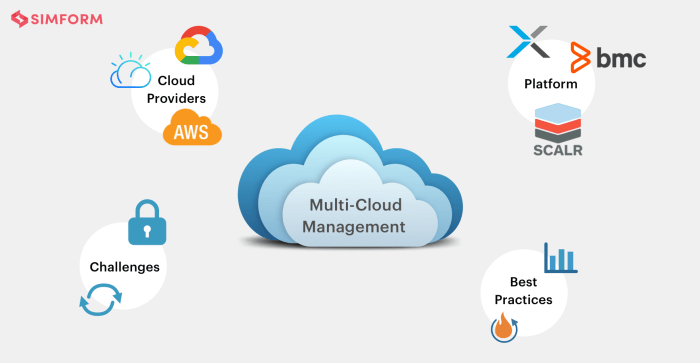
As we conclude our exploration of multi cloud management, it becomes evident that a well-executed multi cloud strategy can drive business success through enhanced flexibility, scalability, and efficiency. By implementing the right tools and practices, organizations can harness the power of multiple cloud environments to propel their growth and innovation in today's digital landscape.
Popular Questions
What is multi cloud management?
Multi cloud management involves overseeing and orchestrating multiple cloud environments to optimize performance, cost, and resources across different platforms.
How does multi cloud management differ from single cloud management?
Single cloud management focuses on a single cloud provider, while multi cloud management involves managing multiple cloud providers to leverage the advantages of each platform.
What are the common challenges in multi cloud management?
Common challenges include security concerns, data integration complexity, and ensuring consistent performance across multiple cloud environments.
How can organizations optimize costs in a multi cloud environment?
Organizations can optimize costs by implementing cost management tools, monitoring usage patterns, and adopting a proactive cost optimization strategy.
What impact does multi cloud management have on business agility?
Multi cloud management enhances business agility by providing flexibility to scale resources based on demand, enabling faster innovation and adaptation to changing market conditions.