"Embark on a journey into the realm of cloud infrastructure services, where innovation meets efficiency to shape the future of IT landscapes. From essential features to deployment models, this comprehensive guide will unravel the complexities and advantages of cloud infrastructure services."
"As we delve deeper, you'll uncover the intricacies of various types of cloud infrastructure services, key features that drive operational excellence, and the evolving trends that are reshaping the industry."
Definition of Cloud Infrastructure Services
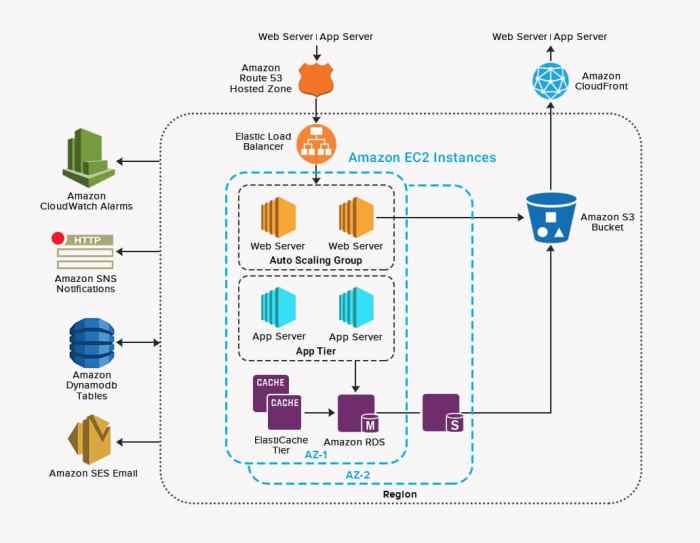
Cloud infrastructure services refer to the provision of virtualized computing resources over the internet. These services enable organizations to access and utilize IT infrastructure such as servers, storage, and networking without the need to invest in physical hardware.
Examples of Common Cloud Infrastructure Services
- 1. Infrastructure as a Service (IaaS): Offers virtualized computing resources on a pay-as-you-go basis, allowing organizations to scale resources up or down based on demand.
- 2. Storage as a Service: Provides cloud-based storage solutions for data backup, archiving, and disaster recovery.
- 3. Networking as a Service: Offers virtualized networking components such as routers, firewalls, and load balancers to connect and secure cloud environments.
Importance of Cloud Infrastructure Services in Modern IT Environments
Cloud infrastructure services play a crucial role in modern IT environments by providing flexibility, scalability, and cost-efficiency to organizations. They enable businesses to quickly deploy and manage IT resources, adapt to changing demands, and reduce capital expenditures on hardware infrastructure.
Additionally, cloud infrastructure services enhance data security, improve disaster recovery capabilities, and support remote work and collaboration in today's digital landscape.
Types of Cloud Infrastructure Services
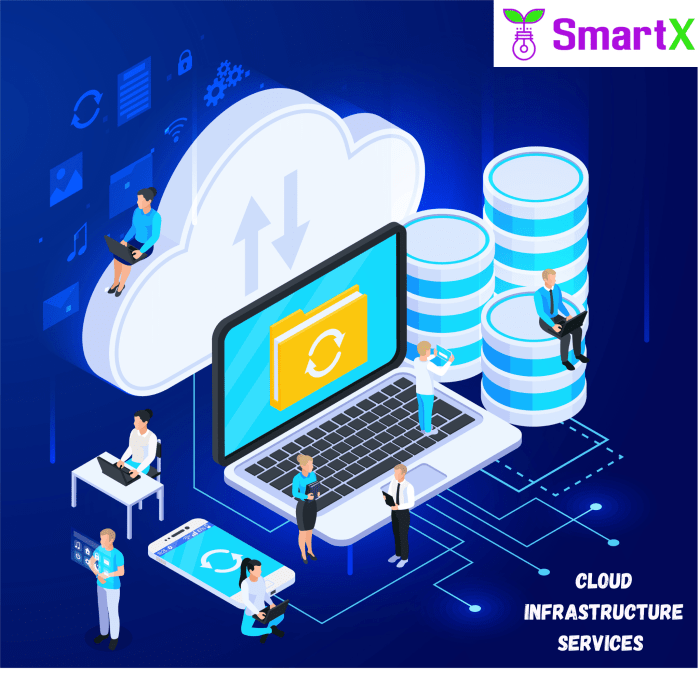
Cloud infrastructure services are categorized into Infrastructure as a Service (IaaS), Platform as a Service (PaaS), and Software as a Service (SaaS), each offering distinct features and benefits.
Infrastructure as a Service (IaaS)
IaaS provides virtualized computing resources over the internet, including servers, storage, and networking. Users can scale resources on-demand and pay only for what they use.
- Popular Providers: Amazon Web Services (AWS), Microsoft Azure, Google Cloud Platform
- Benefits:
- Scalability and flexibility
- Cost-effective pay-as-you-go model
- Eliminates the need for physical infrastructure
- Drawbacks:
- Requires technical expertise to manage
- Potential security concerns
- Dependency on internet connectivity
Platform as a Service (PaaS)
PaaS offers a platform for developers to build, deploy, and manage applications without worrying about underlying infrastructure. It streamlines the development process.
- Popular Providers: Heroku, Microsoft Azure App Services, Google App Engine
- Benefits:
- Accelerated development cycles
- Automated scalability and maintenance
- Focus on application development rather than infrastructure management
- Drawbacks:
- Limitations on customization and control
- Vendor lock-in risks
- Cost implications for scaling applications
Software as a Service (SaaS)
SaaS delivers software applications over the internet on a subscription basis. Users can access the software through a web browser without the need for installation or maintenance.
- Popular Providers: Salesforce, Microsoft 365, Google Workspace
- Benefits:
- Accessibility from any device with internet connection
- Automatic updates and maintenance by the provider
- Scalability based on subscription tiers
- Drawbacks:
- Data security and privacy concerns
- Dependency on the provider for updates and uptime
- Potential integration challenges with existing systems
Key Features of Cloud Infrastructure Services
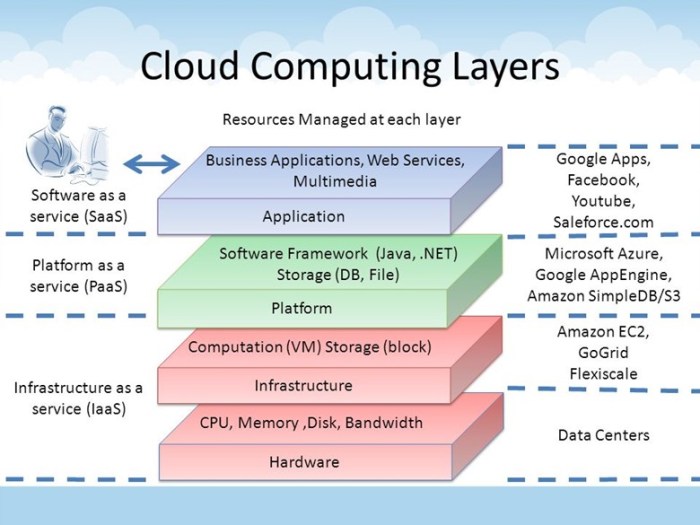
Cloud infrastructure services offer a range of key features that set them apart from traditional IT infrastructure. These features include scalability, virtualization, security, and automation, all of which play a crucial role in enhancing the efficiency and effectiveness of cloud infrastructure services.
Scalability
Scalability is a fundamental feature of cloud infrastructure services that allows resources to be adjusted based on demand. This means that businesses can easily scale up or down their storage, computing power, and other resources as needed, without the need for physical hardware upgrades.
For example, a company experiencing a sudden increase in website traffic can quickly scale up their server capacity to accommodate the surge, ensuring uninterrupted service for users.
Virtualization
Virtualization is another key feature of cloud infrastructure services that enables the creation of virtual instances of servers, storage, and networks. This allows for greater resource utilization, improved flexibility, and cost savings. By virtualizing their infrastructure, organizations can run multiple virtual machines on a single physical server, optimizing resource allocation and reducing hardware costs.
Security
Security is a critical aspect of cloud infrastructure services, as data protection and privacy are paramount in the digital age. Cloud providers offer robust security measures, such as encryption, firewalls, and intrusion detection systems, to safeguard data stored on their platforms.
Additionally, providers adhere to strict compliance standards to ensure data security and regulatory compliance for their customers.
Automation
Automation is a key feature that streamlines processes and reduces manual intervention in cloud infrastructure management. Through automation tools and scripts, routine tasks such as provisioning, monitoring, and scaling resources can be automated, freeing up IT teams to focus on more strategic initiatives.
For example, auto-scaling features automatically adjust resource allocation based on predefined thresholds, ensuring optimal performance and cost efficiency.
Deployment Models for Cloud Infrastructure Services
When it comes to cloud infrastructure services, organizations have different deployment models to choose from based on their specific needs and requirements. These deployment models include public, private, hybrid, and multi-cloud options.
Public Cloud Deployment
The public cloud deployment model involves services provided by third-party providers over the internet. Organizations can access resources like servers and storage on a pay-as-you-go basis. This model is cost-effective and scalable, making it suitable for small to medium-sized businesses
Private Cloud Deployment
In a private cloud deployment, the infrastructure is dedicated solely to one organization. This model offers greater control, security, and customization options, making it ideal for industries with strict regulatory requirements, such as healthcare or finance.
Hybrid Cloud Deployment
The hybrid cloud deployment model combines elements of both public and private clouds. Organizations can leverage the benefits of both models, allowing for flexibility and scalability. This model is suitable for businesses with dynamic workloads or fluctuating demands.
Multi-Cloud Deployment
A multi-cloud deployment involves using multiple cloud providers to meet different needs within an organization. This model offers redundancy, improved performance, and cost optimization. It is beneficial for large enterprises with diverse requirements across various departments.
Cost Considerations in Cloud Infrastructure Services
When considering cloud infrastructure services, it is crucial to evaluate the cost implications associated with this technology. Various factors contribute to the overall cost, including pay-as-you-go pricing, resource utilization, and potential hidden costs. To optimize costs effectively, users must be mindful of their usage patterns and take proactive measures to manage expenses efficiently.
Pay-as-You-Go Pricing
- Pay-as-you-go pricing model allows users to pay for the resources they consume, offering flexibility and scalability.
- Users should monitor their usage closely to avoid unnecessary expenses and optimize resource allocation.
- Costs can fluctuate based on demand, making it essential to plan effectively to avoid unexpected charges.
Resource Utilization
- Optimizing resource utilization is key to controlling costs in cloud infrastructure services.
- Regularly assess resource usage and adjust configurations to align with actual needs.
- Implement automated scaling mechanisms to adjust resources dynamically based on workload requirements.
Hidden Costs
- Hidden costs such as data transfer fees, storage costs, and additional services can impact overall expenses.
- Users should carefully review service agreements and pricing structures to identify potential hidden costs.
- Regularly audit expenses and seek opportunities to reduce costs through optimization and consolidation.
On-Premises vs. Cloud Infrastructure Services
- On-premises infrastructure requires upfront capital investment for hardware, maintenance, and upgrades.
- Cloud infrastructure services offer pay-as-you-go pricing, reducing initial costs and providing scalability.
- Comparing the long-term costs of on-premises infrastructure with cloud services can help organizations make informed decisions.
Security and Compliance in Cloud Infrastructure Services
When it comes to cloud infrastructure services, security and compliance play a crucial role in ensuring the protection of data and systems. Let's dive into the challenges, best practices, and impact of compliance regulations in this context.
Security Challenges and Best Practices
Security challenges in cloud infrastructure services include data breaches, unauthorized access, and insecure interfaces. To address these challenges, best practices like encryption, multi-factor authentication, regular security audits, and employee training are essential to enhance security measures.
Compliance Regulations Impact
Compliance regulations such as GDPR, HIPAA, and PCI DSS impact the design and management of cloud infrastructure services by requiring organizations to adhere to specific data protection and privacy standards. This influences how data is stored, accessed, and managed within the cloud environment to ensure compliance with legal requirements.
Examples of Security Breaches and Lessons Learned
One notable example of a security breach in cloud infrastructure services is the Capital One data breach in 2019, where a misconfigured firewall led to the exposure of sensitive customer data. This incident highlighted the importance of regular security assessments, proper configuration management, and proactive monitoring to prevent similar breaches in the future.
Trends and Innovations in Cloud Infrastructure Services

Cloud infrastructure services continue to evolve rapidly, driven by a variety of trends and innovations that shape the landscape of the industry. These advancements are reshaping how businesses leverage cloud technologies to enhance their operations, improve scalability, and drive innovation.
Serverless Computing
Serverless computing is a trend that is gaining momentum in the cloud infrastructure services space. With serverless computing, businesses can focus on developing and running applications without the need to manage the underlying infrastructure. This model allows for greater flexibility, scalability, and cost-effectiveness, as businesses only pay for the resources they use.
Serverless computing is changing the way applications are developed and deployed, enabling faster time-to-market and increased agility.
Edge Computing
Edge computing is another significant trend in cloud infrastructure services, where data processing and storage are moved closer to the edge of the network, near the source of data generation. This approach reduces latency, improves performance, and enhances security by processing data locally rather than sending it to a centralized data center.
Edge computing is particularly crucial for applications that require real-time processing, such as IoT devices, autonomous vehicles, and smart cities.
AI Integration
Artificial Intelligence (AI) integration is revolutionizing cloud infrastructure services by enabling intelligent automation, predictive analytics, and enhanced decision-making capabilities. AI technologies, such as machine learning and natural language processing, are being integrated into cloud infrastructure services to optimize resource allocation, improve security measures, and streamline operations.
AI-driven insights are helping businesses extract valuable information from vast amounts of data, leading to more informed decision-making and improved efficiency.
Future Outlook
Looking ahead, the future of cloud infrastructure services holds exciting possibilities with continued advancements in technologies like serverless computing, edge computing, and AI integration. As businesses strive to stay competitive and meet evolving customer demands, the adoption of these innovative solutions will be vital.
The convergence of these trends is expected to drive further efficiencies, scalability, and agility in cloud infrastructure services, paving the way for a more connected, intelligent, and secure digital ecosystem.
Last Word
"In conclusion, cloud infrastructure services stand as the backbone of modern IT operations, offering unparalleled scalability, security, and cost-efficiency. As organizations navigate the complexities of cloud environments, staying informed about the latest trends and innovations is crucial for staying ahead in the digital age."
FAQ Explained
"How do cloud infrastructure services benefit businesses?"
"Cloud infrastructure services enhance agility, scalability, and cost-effectiveness for businesses, allowing them to focus on innovation and growth."
"What are the security challenges in cloud infrastructure services?"
"Security challenges include data breaches, compliance issues, and unauthorized access, emphasizing the need for robust security measures."
"How does scalability play a role in cloud infrastructure services?"
"Scalability enables businesses to adjust resources based on demand, ensuring optimal performance and cost-efficiency in cloud environments."