Embark on a journey into the world of cloud migration services, where businesses are revolutionizing their operations to stay ahead in the digital age. From understanding the basics to delving into the intricate types and factors involved, this guide will equip you with the knowledge needed to navigate the realm of cloud migration services with confidence.
Overview of Cloud Migration Services
Cloud migration services involve transferring data, applications, and other business elements from on-premises servers to cloud-based infrastructure. This process allows businesses to access scalable resources, enhance flexibility, and improve overall efficiency.
Examples of Businesses Benefiting from Cloud Migration
- Startups: Small businesses can leverage cloud migration to quickly scale their operations without investing in costly hardware.
- Enterprises: Large corporations can streamline their IT infrastructure and reduce maintenance costs by migrating to the cloud.
- E-commerce Companies: Online retailers can enhance customer experience and manage peak loads efficiently through cloud migration.
Importance of Cloud Migration for Modern Businesses
Cloud migration is crucial for modern businesses to stay competitive in the digital landscape. By migrating to the cloud, companies can achieve cost savings, improved security, better collaboration, and increased agility. Embracing cloud technology allows businesses to adapt to changing market demands and innovate more rapidly.
Types of Cloud Migration Services
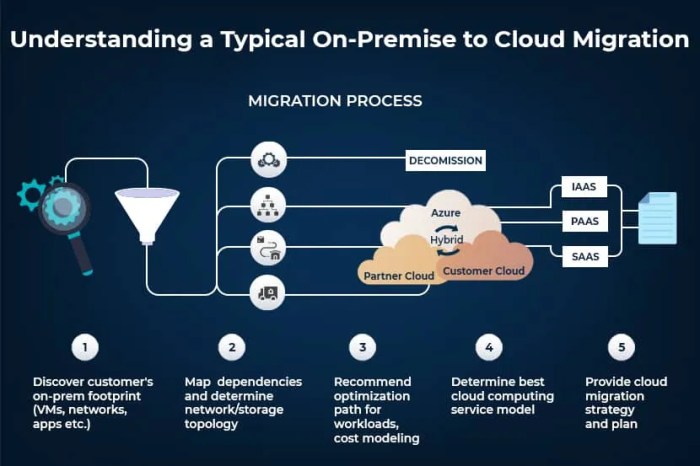
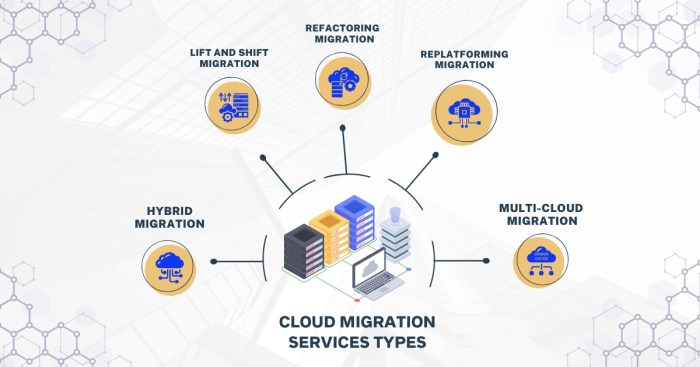
When considering cloud migration, there are various types of services that organizations can opt for based on their specific needs and goals. Two common types of cloud migration services are lift-and-shift migration and re-platforming.
Lift-and-Shift Migration
- With lift-and-shift migration, the primary goal is to move applications and data from an on-premises environment to the cloud without making any significant modifications.
- This approach involves migrating applications as they are, without rearchitecting or optimizing them for the cloud environment.
- Advantages:
- Quick and relatively simple migration process.
- Minimal disruption to existing systems and workflows.
- Disadvantages:
- Potential for inefficiencies and underutilization of cloud resources.
- Limited ability to take full advantage of cloud-native features and capabilities.
Re-Platforming
- Re-platforming involves making some adjustments to applications before migrating them to the cloud to optimize performance and take advantage of cloud-native features.
- This approach may involve updating the application code, architecture, or configuration to better align with the cloud environment.
- Advantages:
- Improved performance and scalability in the cloud environment.
- Ability to leverage cloud-specific features for enhanced functionality.
- Disadvantages:
- More time-consuming and resource-intensive compared to lift-and-shift migration.
- Potential for disruptions during the re-platforming process.
Factors to Consider Before Migrating to the Cloud
Before making the decision to migrate to the cloud, businesses need to carefully assess various factors to ensure a smooth transition and maximize the benefits of cloud migration services.
Security Implications of Migrating Sensitive Data to the Cloud
When considering migrating sensitive data to the cloud, it is crucial to evaluate the security implications involved. Some key factors to consider include:
- Compliance Requirements: Ensure that the cloud service provider complies with relevant regulations and industry standards to protect sensitive data.
- Data Encryption: Evaluate the encryption methods used by the cloud provider to safeguard data during transmission and storage.
- Access Controls: Implement robust access controls to restrict unauthorized access to sensitive information stored in the cloud.
- Data Backup and Recovery: Assess the backup and recovery mechanisms offered by the cloud provider to prevent data loss and ensure business continuity.
Assessing the Readiness of an Organization for Cloud Migration
Before embarking on cloud migration, organizations should assess their readiness to ensure a successful transition. Key considerations include:
- Infrastructure Compatibility: Evaluate the existing IT infrastructure to determine compatibility with cloud services and identify any necessary upgrades or adjustments.
- Staff Training: Provide adequate training to employees to familiarize them with cloud technologies and best practices for data security in the cloud.
- Cost Analysis: Conduct a thorough cost analysis to assess the financial implications of cloud migration, including upfront costs, ongoing expenses, and potential savings.
- Risk Management: Develop a risk management strategy to address potential challenges and mitigate risks associated with cloud migration.
Steps Involved in Cloud Migration Services
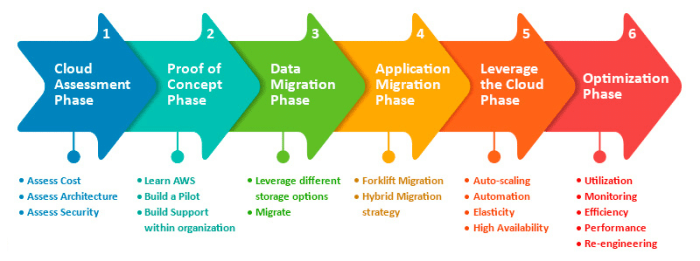
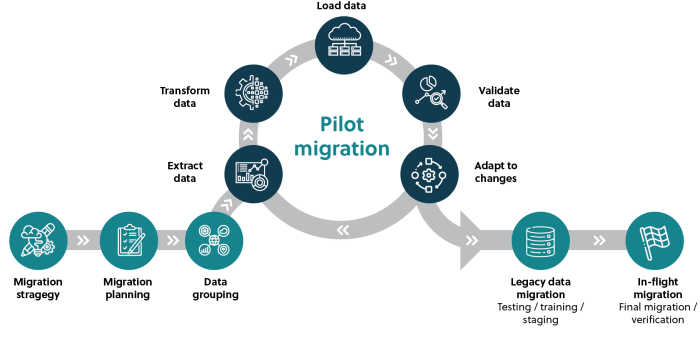
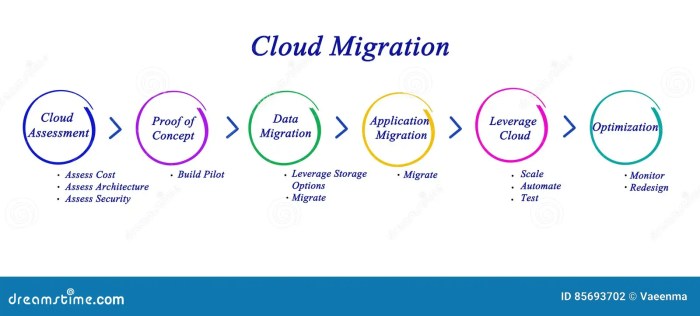
When it comes to migrating applications to the cloud, there are several key steps that need to be followed to ensure a smooth and successful transition.
Step 1: Planning and Assessment
Before starting the migration process, it is essential to conduct a thorough assessment of your current infrastructure and applications to determine which ones are suitable for migration to the cloud.
Step 2: Choosing the Right Cloud Service Provider
Selecting a reliable and experienced cloud service provider is crucial for the success of your migration project. They will play a key role in facilitating the migration process and ensuring all your requirements are met.
Step 3: Data Migration
Once the planning is done, the next step involves migrating your data to the cloud. This process needs to be carefully executed to avoid any data loss or security breaches.
Step 4: Application Migration
After the data migration is complete, it's time to migrate your applications to the cloud. This step involves rearchitecting, re-platforming, or refactoring your applications to ensure they are compatible with the cloud environment.
Step 5: Testing and Optimization
Before going live, it is essential to thoroughly test your applications in the cloud environment to identify and address any issues. Optimization of performance and costs should also be considered during this phase.
Step 6: Go-Live and Monitoring
Once everything is in place, it's time to go live with your applications on the cloud. Continuous monitoring and management are crucial to ensure the performance, security, and cost-effectiveness of your cloud environment.
Tips for a Successful Cloud Migration Strategy
- Ensure clear communication and collaboration between all stakeholders involved in the migration process.
- Establish a solid governance framework to manage risks and compliance throughout the migration project.
- Regularly backup your data to avoid any loss during the migration process.
- Consider a phased migration approach to minimize disruptions and risks.
- Train your IT team and end-users on the new cloud environment to ensure a smooth transition.
Final Conclusion
In conclusion, cloud migration services offer a transformative path for businesses looking to enhance their efficiency, scalability, and security in the digital landscape. By carefully considering the factors, types, and steps involved, organizations can seamlessly transition to the cloud and reap the benefits it has to offer.
Popular Questions
What are the key factors to consider before migrating to the cloud?
Businesses should assess their data security needs, evaluate compatibility with existing systems, and ensure proper training for employees.
What is the difference between lift-and-shift migration and re-platforming?
Lift-and-shift involves transferring applications as is to the cloud, while re-platforming involves making adjustments to optimize performance in the cloud environment.
How can organizations assess their readiness for cloud migration?
Organizations can conduct a thorough analysis of their infrastructure, evaluate their data management policies, and assess the skill levels of their IT teams.