Embark on a journey to explore the intricacies of cloud hosting costs, delving into the key factors that influence pricing, the different types of services available, and strategies to optimize expenses.
As we navigate through this landscape, you'll gain valuable insights on how businesses can effectively manage their cloud hosting expenditures, ultimately maximizing efficiency and savings.
Factors affecting cloud hosting cost
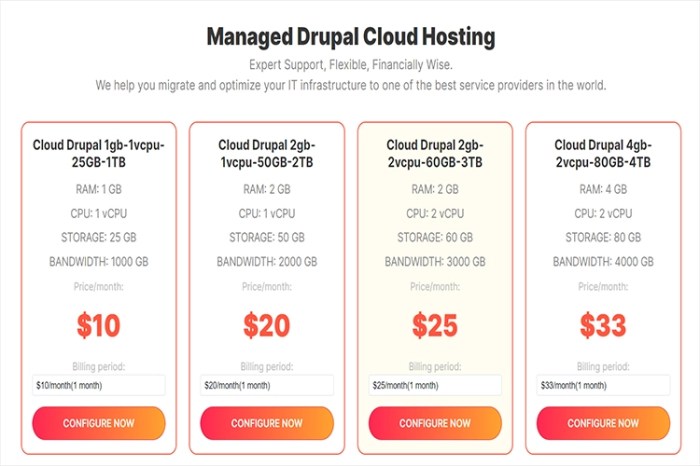
When it comes to determining the cost of cloud hosting, several factors come into play. These factors can significantly impact the pricing structure and overall expenses for utilizing cloud services.
Scalability
Scalability is a crucial factor that influences cloud hosting costs. The ability to scale resources up or down based on demand can affect pricing. Cloud providers often offer flexible pricing models based on the resources used, so the scalability of your infrastructure can impact your overall expenses.
Data Transfer and Storage
Data transfer and storage requirements also play a significant role in determining cloud hosting costs. The amount of data you need to store and transfer can impact pricing, as cloud providers may charge based on the volume of data handled.
It's essential to assess your data storage and transfer needs to understand how they contribute to overall costs.
Types of cloud hosting services
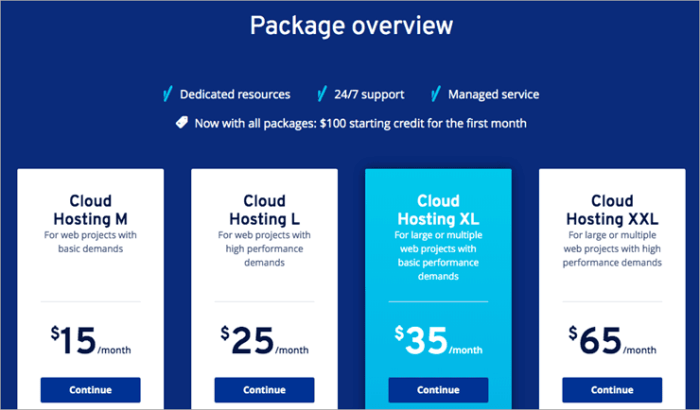
Cloud hosting services come in various types, each offering different features and cost structures. Let's compare and contrast these types in terms of cost to help you make an informed decision.
Public Cloud Hosting
Public cloud hosting services are provided by third-party vendors over the internet. They are cost-effective as you only pay for what you use, making them ideal for small businesses and startups with variable workloads. Popular examples include Amazon Web Services (AWS), Microsoft Azure, and Google Cloud Platform.
- Public cloud hosting is generally the most affordable option, as costs are based on usage and can be scaled up or down as needed.
- Service providers often offer pay-as-you-go pricing models, allowing businesses to control their expenses more effectively.
- However, security and privacy concerns may arise due to the shared nature of public cloud infrastructure.
Private Cloud Hosting
Private cloud hosting involves dedicated servers and infrastructure, offering more control and security compared to public cloud services. While it may involve higher upfront costs, it can be more cost-effective in the long run for businesses with predictable workloads and strict security requirements.
- Private cloud hosting is more expensive than public cloud hosting due to the dedicated resources and higher level of customization.
- Companies like IBM Cloud, Rackspace, and VMware provide private cloud solutions with pricing structures based on resource allocation and service level agreements.
- Businesses with sensitive data or compliance requirements often opt for private cloud hosting to ensure data security and regulatory compliance.
Hybrid Cloud Hosting
Hybrid cloud hosting combines elements of both public and private cloud services, allowing businesses to leverage the benefits of each. It offers flexibility, scalability, and cost-effectiveness by enabling workloads to be distributed between public and private environments based on specific needs.
- Hybrid cloud hosting can be more cost-effective than solely relying on private cloud services, as businesses can utilize public cloud resources for non-sensitive workloads.
- Service providers like Dell EMC, Hewlett Packard Enterprise (HPE), and Cisco offer hybrid cloud solutions with pricing models that vary based on usage and resource allocation.
- Businesses with fluctuating workloads or dynamic IT requirements often choose hybrid cloud hosting to optimize costs and performance.
Strategies to optimize cloud hosting costs

Optimizing cloud hosting costs is crucial for businesses looking to maximize efficiency and reduce expenses. By implementing the right strategies, companies can ensure that they are getting the most out of their cloud hosting services while keeping costs under control.
Resource Allocation for Cost Reduction
Proper resource allocation is key to minimizing cloud hosting costs. By accurately assessing the needs of your applications and workloads, you can allocate resources more efficiently, avoiding over-provisioning that leads to unnecessary expenses. Utilizing tools like auto-scaling can help adjust resources based on demand, ensuring you only pay for what you use.
Monitoring and Managing Usage
Monitoring and managing usage is essential for controlling costs in cloud hosting. By keeping track of resource utilization, you can identify areas of inefficiency or unused capacity that can be optimized or eliminated. Setting up alerts for abnormal usage patterns can help you take proactive measures to prevent unexpected spikes in costs.
Cost Optimization Best Practices
- Regularly review and optimize your cloud architecture to ensure it aligns with your current needs.
- Implement tagging and labeling to track costs by project, department, or team for better cost allocation.
- Explore reserved instances or spot instances for cost-effective pricing models based on usage patterns.
- Consider leveraging serverless computing to eliminate the need to manage infrastructure and reduce costs.
Case studies on cloud hosting cost management
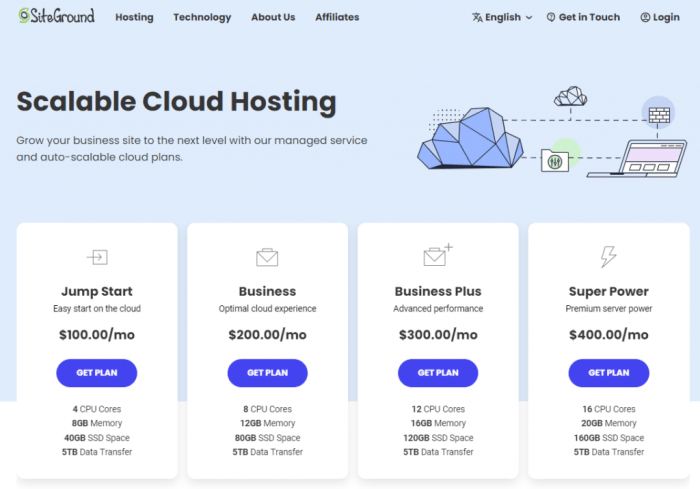
In this section, we will delve into real-world examples of successful cost management strategies in cloud hosting. We will analyze the impact of efficient resource utilization on overall hosting expenses and discuss how businesses have saved money by implementing cost-effective cloud hosting solutions.
Case Study 1: Company A
Company A, a medium-sized e-commerce business, managed to reduce its cloud hosting costs by 30% by optimizing its resource allocation. By monitoring their usage patterns and adjusting their cloud resources accordingly, they were able to scale up or down based on demand, thus avoiding unnecessary expenses.
This proactive approach not only saved them money but also improved their overall performance and customer satisfaction.
Case Study 2: Startup B
Startup B, a tech startup specializing in mobile app development, adopted a multi-cloud strategy to minimize costs and enhance reliability. By leveraging different cloud providers for specific services based on pricing and performance, they were able to achieve significant cost savings while ensuring optimum performance.
This flexibility allowed them to allocate resources efficiently and avoid vendor lock-in, resulting in long-term cost benefits.
Case Study 3: Corporation C
Corporation C, a large multinational corporation, implemented serverless computing to streamline their operations and reduce hosting expenses. By shifting to a pay-as-you-go model and only paying for the resources used, they were able to cut down on unnecessary costs associated with maintaining idle servers.
This approach not only saved them money but also improved their scalability and agility, enabling them to respond quickly to changing business needs.
Final Review
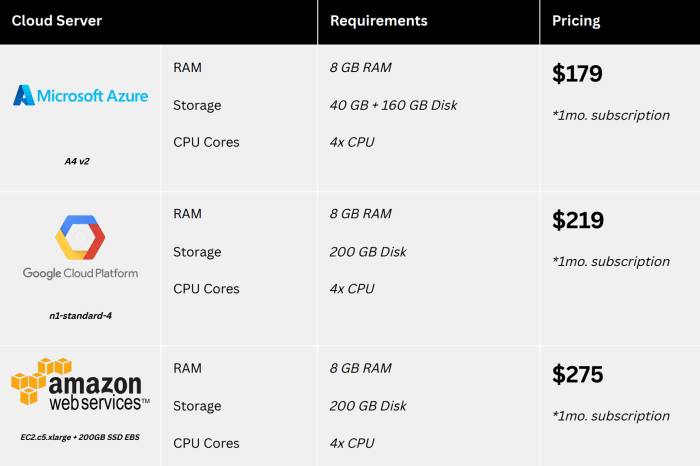
In conclusion, understanding the dynamic nature of cloud hosting costs and implementing smart cost management strategies can significantly impact a company's bottom line. By leveraging the right tools and practices, businesses can harness the power of cloud hosting while keeping expenses in check.
FAQ Insights
What factors influence cloud hosting costs?
Factors like scalability, data transfer, and storage play a crucial role in determining the pricing of cloud hosting services.
What are the different types of cloud hosting services in terms of cost?
Public, private, and hybrid cloud hosting options vary in cost implications, with each offering unique pricing structures and features.
How can businesses optimize cloud hosting costs effectively?
By implementing best practices, monitoring usage, and smart resource allocation, businesses can optimize their cloud hosting expenses efficiently.