Managed cloud services revolutionize the way businesses operate in today's digital landscape. This guide dives deep into the realm of managed cloud services, shedding light on its nuances and advantages over traditional cloud solutions.
Definition of Managed Cloud Services
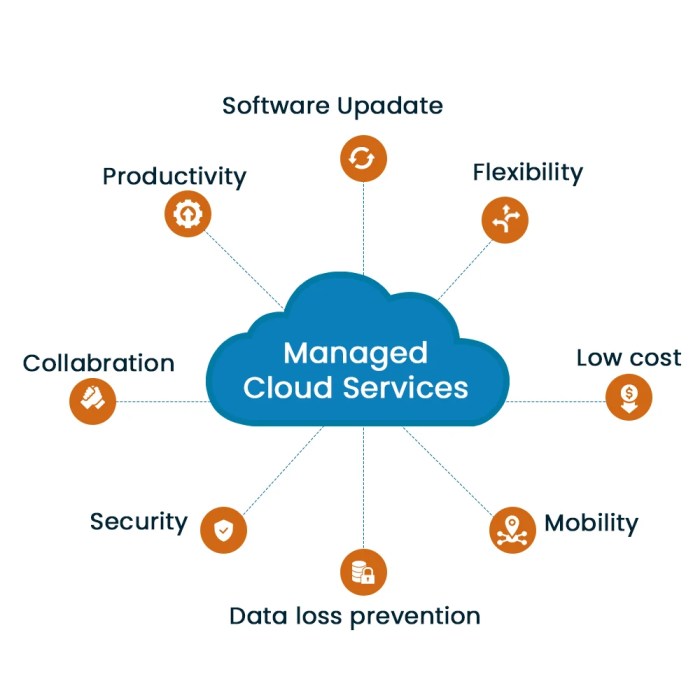
Managed cloud services refer to outsourcing the management and maintenance of cloud-based resources to a third-party service provider. This differs from traditional cloud services where businesses are responsible for managing their own cloud infrastructure.
Benefits of Managed Cloud Services
- Expertise and Support: Managed cloud service providers offer specialized expertise and round-the-clock support to ensure optimal performance of cloud resources.
- Cost-Effective: By outsourcing management, businesses can avoid the costs associated with hiring and training IT staff for cloud management.
- Scalability and Flexibility: Managed services allow for easy scalability of resources based on business needs, without the hassle of managing it internally.
- Security and Compliance: Providers ensure robust security measures and compliance with industry regulations, reducing the risk of data breaches.
Key Features of Managed Cloud Services
- Proactive Monitoring: Constant monitoring of cloud resources to identify and address potential issues before they impact operations.
- Automated Backups: Regular backups of data to prevent loss in case of system failures or cyber attacks.
- Performance Optimization: Continuous optimization of resources to ensure optimal performance and cost-efficiency.
- Disaster Recovery: Implementation of disaster recovery plans to minimize downtime and data loss in case of unforeseen events.
Types of Managed Cloud Services
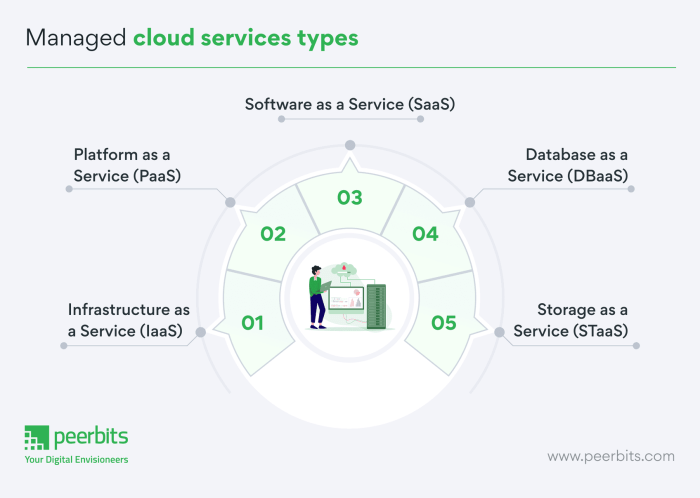
When it comes to managed cloud services, there are several types available in the market, each offering unique features and benefits tailored to different business needs. Let's compare and contrast some of the popular options and explore the scalability options they provide for businesses of various sizes.
Public Cloud Services
Public cloud services are provided by third-party vendors over the internet, making them accessible to a wide range of users. These services are cost-effective and scalable, making them ideal for small to medium-sized businesses. Examples of popular public cloud service providers include Amazon Web Services (AWS), Microsoft Azure, and Google Cloud Platform.
Private Cloud Services
Private cloud services, on the other hand, are dedicated to a single organization and can be hosted on-premises or by a third-party provider. These services offer greater control and security, making them suitable for larger enterprises with specific compliance requirements.
Companies like IBM Cloud and Rackspace offer private cloud solutions.
Hybrid Cloud Services
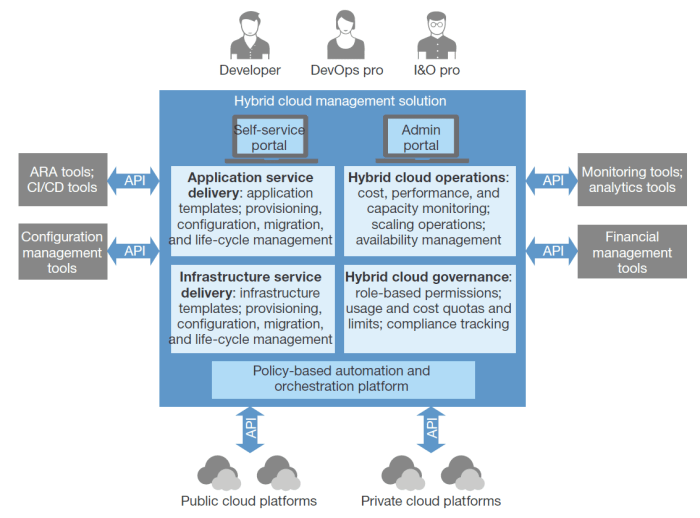
Hybrid cloud services combine elements of both public and private clouds, allowing businesses to leverage the benefits of both models. This flexibility enables organizations to scale resources as needed and optimize workload placement. Providers like Cisco and VMware offer hybrid cloud solutions to meet varying business needs.
Scalability Options
Managed cloud services offer scalability options that allow businesses to adjust their resources based on demand. Whether it's scaling up during peak periods or scaling down during slower times, cloud providers offer flexibility to ensure efficient resource allocation. This scalability is crucial for businesses of all sizes to adapt to changing market conditions and growth opportunities.
Cost Considerations
When considering managed cloud services, one of the key factors that businesses need to take into account is the cost structure. It is essential to understand how the costs of managed cloud services compare to traditional IT infrastructure, as well as how businesses can optimize costs and be aware of any hidden costs that may arise.
Cost Structure Comparison
Managed cloud services typically operate on a subscription-based model, where businesses pay a recurring fee for the services they use. This can be more cost-effective than traditional IT infrastructure, where businesses need to invest in hardware, software, and maintenance costs upfront.
By opting for managed cloud services, businesses can avoid large capital expenditures and instead have a predictable monthly cost that can be budgeted for more effectively.
Optimizing Costs
- Right-Sizing Resources: Businesses can optimize costs by scaling resources up or down based on their actual needs. This flexibility allows businesses to pay only for the resources they use, avoiding unnecessary expenses.
- Automation: Leveraging automation tools can help businesses streamline processes and reduce labor costs, making operations more efficient and cost-effective.
- Monitoring and Optimization: Regularly monitoring and optimizing cloud resources can help businesses identify areas where costs can be reduced, such as unused resources or inefficient configurations.
Hidden Costs
While managed cloud services offer many benefits, businesses should be aware of potential hidden costs that may arise:
- Data Transfer Fees: Some providers may charge for data transfer between different cloud services or regions, which can add up if not carefully monitored.
- Additional Services: Businesses may incur extra costs for add-on services or premium support that are not included in the base subscription fee.
- Compliance and Security: Ensuring compliance with industry regulations and maintaining strong security measures may require additional investments to meet standards, leading to increased costs.
Security and Compliance
When it comes to managed cloud services, security and compliance are crucial aspects that businesses need to consider. Managed cloud service providers implement various security measures to protect data and ensure compliance with industry standards.
Security Measures
- Encryption: Data encryption is used to secure information both in transit and at rest, ensuring that only authorized users can access it.
- Firewalls: Firewalls are implemented to monitor and control incoming and outgoing network traffic, preventing unauthorized access.
- Multi-factor authentication: This adds an extra layer of security by requiring users to provide multiple forms of verification before accessing the system.
- Regular security audits: Managed cloud service providers conduct regular security audits to identify and address any vulnerabilities in the system.
Compliance Standards
Businesses using managed cloud services need to adhere to various compliance standards depending on their industry and location. Some common compliance standards include:
- GDPR: The General Data Protection Regulation governs the handling of personal data of individuals within the European Union.
- HIPAA: The Health Insurance Portability and Accountability Act sets the standards for protecting sensitive patient data in the healthcare industry.
- PCI DSS: The Payment Card Industry Data Security Standard ensures that companies handling credit card information maintain a secure environment.
Examples of Security Breaches
Over the years, there have been several high-profile security breaches that have highlighted the importance of robust security measures in managed cloud services. For example:
-
Equifax Data Breach: In 2017, Equifax experienced a massive data breach that exposed the personal information of over 147 million people. This incident led to increased focus on data security and compliance in the industry.
-
Capital One Data Breach: In 2019, Capital One suffered a data breach that compromised the personal information of over 100 million customers. This incident emphasized the need for stronger security measures in cloud services.
Final Thoughts
In conclusion, managed cloud services offer a secure, scalable, and cost-effective solution for businesses seeking efficient cloud management. This guide has unraveled the complexities surrounding managed cloud services, providing a roadmap for businesses to navigate the ever-evolving cloud landscape with confidence.
FAQs
What sets managed cloud services apart from traditional cloud services?
Managed cloud services provide proactive monitoring, maintenance, and support, relieving businesses from the burden of managing their own cloud infrastructure.
How can businesses optimize costs with managed cloud services?
Businesses can optimize costs by paying only for the resources they use, avoiding upfront infrastructure investments, and benefiting from the expertise of managed service providers.
What security measures do managed cloud service providers implement?
Managed cloud service providers implement encryption, access controls, regular security audits, and compliance with industry regulations to protect data.
Can managed cloud services accommodate businesses of different sizes?
Yes, managed cloud services offer scalability options that can cater to the needs of small startups to large enterprises, ensuring flexibility in resource allocation.
What are some examples of popular managed cloud service providers?
Examples include AWS Managed Services, Microsoft Azure Managed Services, Google Cloud Managed Services, and IBM Cloud Managed Services.