Embark on a journey through the intricate world of cloud storage pricing, where costs fluctuate like the changing tides. Discover the hidden nuances and complexities that shape pricing models, as we delve into the realm of pay-as-you-go and tiered structures.
Introduction to Cloud Storage Pricing
Cloud storage pricing refers to the cost associated with storing data on remote servers maintained by a third-party provider. Users can upload, access, and manage their files over the internet, eliminating the need for physical storage devices.Using cloud storage offers numerous benefits, including increased flexibility, scalability, and accessibility.
Users can easily expand their storage capacity as needed, access files from any device with an internet connection, and benefit from automated backups to prevent data loss.
Types of Cloud Storage Pricing Models
- Pay-as-you-go: Users only pay for the amount of storage they use, making it a cost-effective option for small businesses and individuals.
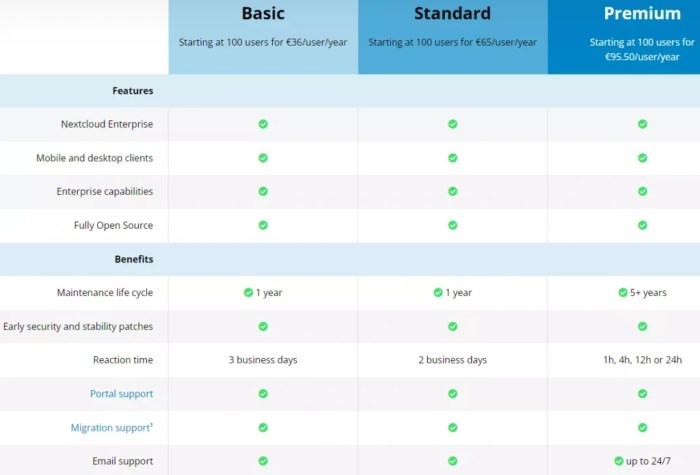
- Tiered pricing: Providers offer different pricing tiers based on storage capacity, with higher tiers offering more features and storage space.
- Flat-rate pricing: Users pay a fixed monthly or annual fee for a set amount of storage, regardless of usage.
Factors Influencing Cloud Storage Pricing
When it comes to cloud storage pricing, several key factors come into play that determine the cost associated with storing data in the cloud. These factors include storage capacity, data transfer, redundancy, and service level agreements. Let's delve into each of these factors to understand how they impact pricing.
Storage Capacity
Storage capacity is one of the primary factors influencing cloud storage pricing. The amount of storage space you require for your data will directly affect the cost of your cloud storage solution. Typically, the more storage capacity you need, the higher the pricing will be.
Cloud service providers offer various storage tiers with different capacities to cater to the diverse needs of customers.
Data Transfer
Data transfer refers to the movement of data in and out of the cloud storage environment. Cloud providers often charge for data transfer based on the volume of data moved. High data transfer volumes can lead to additional costs, especially if you frequently move large amounts of data between your on-premises infrastructure and the cloud.
Understanding your data transfer needs is crucial in managing costs effectively.
Redundancy
Redundancy plays a significant role in cloud storage pricing as it involves replicating data across multiple servers or data centers to ensure high availability and data durability. The level of redundancy required for your data can impact pricing, as higher redundancy levels typically come with a higher price tag.
Choosing the right level of redundancy based on your data's criticality and availability requirements is essential in balancing cost and performance.
Service Level Agreements
Service level agreements (SLAs) define the terms and conditions of the cloud storage service, including performance guarantees, uptime commitments, and support levels. The type of SLA you choose can influence pricing, as higher service levels often come with a premium cost.
Understanding the SLA options available and aligning them with your business requirements can help you make informed decisions about the level of service you need and the associated costs.
Popular Cloud Storage Providers and Their Pricing
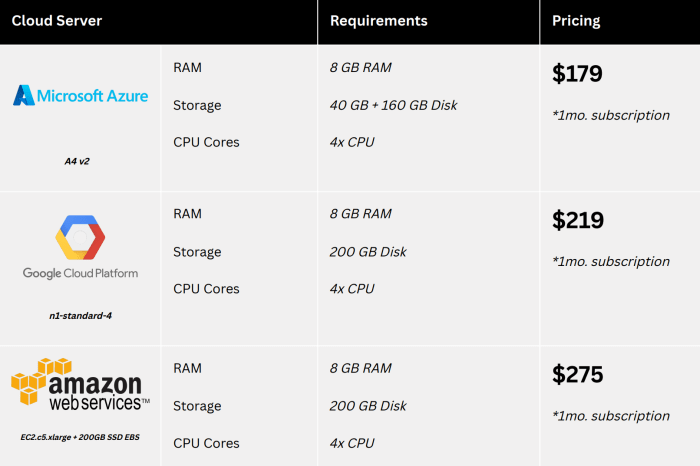
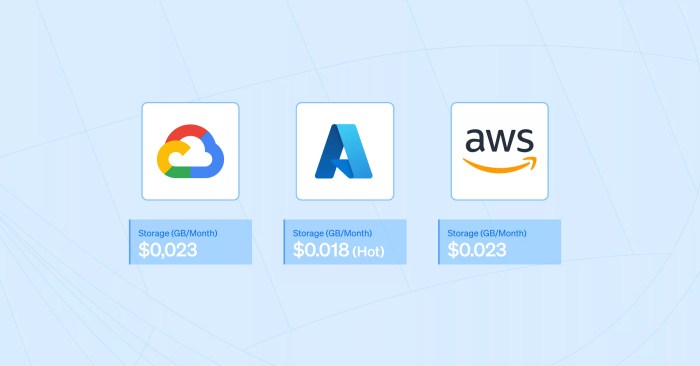
When it comes to cloud storage providers, some of the major players in the industry include AWS (Amazon Web Services), Google Cloud, and Microsoft Azure. Each provider offers a range of pricing plans tailored to different needs and budgets
AWS Pricing
AWS offers a pay-as-you-go pricing model, where customers only pay for the storage they use. They also offer discounts for long-term commitments and volume discounts for large amounts of data storage.
Google Cloud Pricing
Google Cloud provides a similar pay-as-you-go pricing structure, with the added benefit of automatic discounts for sustained usage. They also offer flexible pricing options based on storage class and access frequency.
Microsoft Azure Pricing
Microsoft Azure offers competitive pricing plans with options for block blob storage, file storage, and archive storage. They also provide discounts for customers who commit to using a certain amount of storage over a specific period.
Hidden Costs in Cloud Storage Pricing
When considering cloud storage pricing, it's essential to be aware of potential hidden costs that may impact your overall expenses. These additional charges can arise from various factors such as add-on services, data retrieval fees, and exceeding storage limits. Being mindful of these hidden costs can help you avoid unexpected expenses and better manage your cloud storage budget.
Add-On Services
- Some cloud storage providers offer additional services such as advanced security features, data encryption, or enhanced collaboration tools for an extra fee.
- While these add-on services can be beneficial, they can also increase your monthly expenses significantly if not carefully considered.
- Before opting for any add-on services, assess whether they are essential for your needs and evaluate their impact on your overall budget.
Data Retrieval Fees
- Some cloud storage providers charge fees for retrieving or downloading data from your storage account.
- These data retrieval fees can vary based on the amount of data being accessed and the frequency of retrievals.
- It's important to be aware of these charges and factor them into your cost calculations when using cloud storage for data retrieval purposes.
Exceeding Storage Limits
- Exceeding your allocated storage limits with a cloud storage provider can lead to additional charges or upgraded subscription plans.
- It's crucial to monitor your storage usage regularly and adjust your plan accordingly to avoid incurring excess fees for surpassing your storage limits.
- Consider implementing data management strategies to optimize your storage usage and prevent unexpected costs due to exceeding storage limits.
Last Point
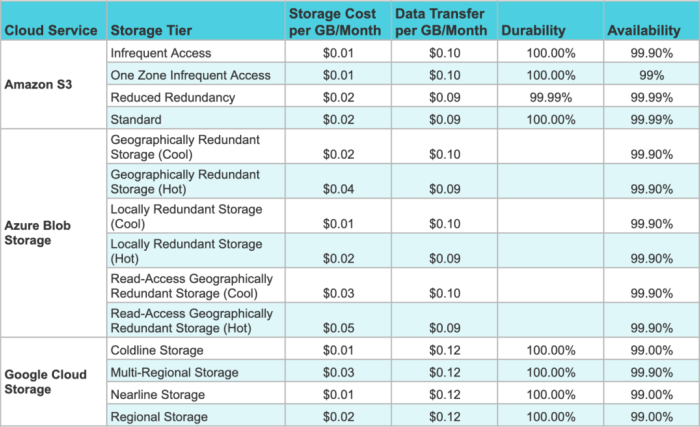
As we reach the final chapter of our exploration, the curtain falls on the captivating saga of cloud storage pricing. From unraveling hidden costs to understanding the key factors influencing pricing, this guide has shed light on a crucial aspect of modern data management.
Questions and Answers
What are some common hidden costs in cloud storage pricing?
Hidden costs can arise from add-on services, data retrieval fees, and exceeding storage limits, so it's crucial to monitor usage closely.
How do service level agreements impact cloud storage pricing?
Service level agreements play a significant role in determining pricing, offering guarantees on performance and availability.
Which cloud storage provider offers the most competitive pricing?
Each provider has its own pricing strategy, with AWS, Google Cloud, and Microsoft Azure being major players in the market.