Cloud computing services open the door to a world of endless possibilities, revolutionizing the way businesses handle data and information. This overview delves into the intricacies of cloud computing services, shedding light on its primary components, benefits, and the variety of services available in the market.
Overview of Cloud Computing Services

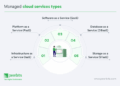
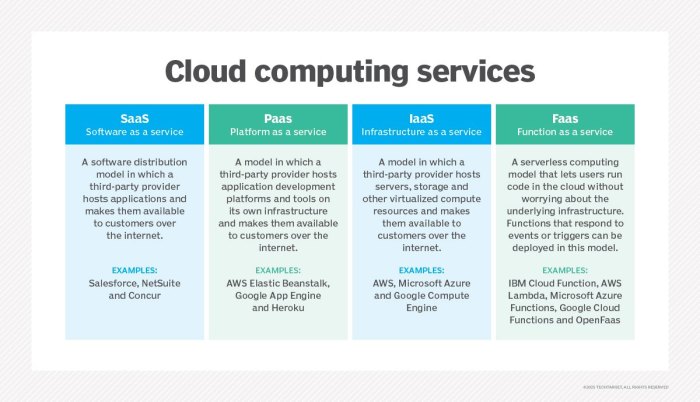
Cloud computing services refer to the delivery of computing services such as servers, storage, databases, networking, software, and more over the internet. Instead of owning and maintaining physical data centers and servers, individuals or businesses can access these services on a pay-as-you-go basis from a cloud service provider.Cloud computing services consist of three primary components: Infrastructure as a Service (IaaS), Platform as a Service (PaaS), and Software as a Service (SaaS).
IaaS provides virtualized computing resources over the internet, PaaS offers a platform allowing customers to develop, run, and manage applications without dealing with infrastructure, and SaaS delivers software applications over the internet on a subscription basis.The benefits of utilizing cloud computing services include cost savings, scalability, flexibility, automatic updates, improved security, and remote access from anywhere with an internet connection.
Organizations can leverage cloud services to streamline operations, enhance collaboration, and innovate more rapidly.
Types of Cloud Computing Services
- Infrastructure as a Service (IaaS): Provides virtualized computing resources like virtual machines, storage, and networking.
- Platform as a Service (PaaS): Offers a platform for developers to build, test, and deploy applications without managing the underlying infrastructure.
- Software as a Service (SaaS): Delivers software applications over the internet on a subscription basis, eliminating the need for installation and maintenance.
- Function as a Service (FaaS): Allows developers to write and deploy code in response to events without managing servers.
- Database as a Service (DBaaS): Provides database solutions hosted and managed by a cloud service provider.
Infrastructure as a Service (IaaS)
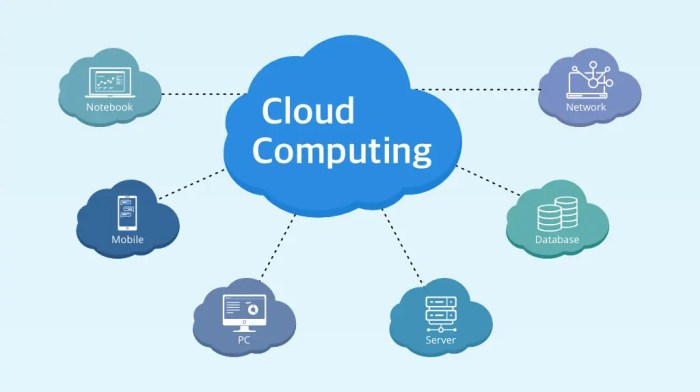
Infrastructure as a Service (IaaS) is a cloud computing service model that provides virtualized computing resources over the internet. With IaaS, users can rent virtualized hardware, such as servers, storage, and networking components, on a pay-as-you-go basis.
Comparison with Other Cloud Service Models
- IaaS vs. Platform as a Service (PaaS): IaaS provides the fundamental building blocks for cloud infrastructure, while PaaS offers a platform for developers to build, deploy, and manage applications without worrying about underlying infrastructure.
- IaaS vs. Software as a Service (SaaS): IaaS focuses on providing infrastructure resources, while SaaS delivers software applications over the internet.
Popular IaaS Providers
- Amazon Web Services (AWS): One of the largest and most popular IaaS providers offering a wide range of cloud services.
- Microsoft Azure: A comprehensive cloud computing platform that includes IaaS capabilities along with PaaS and SaaS offerings.
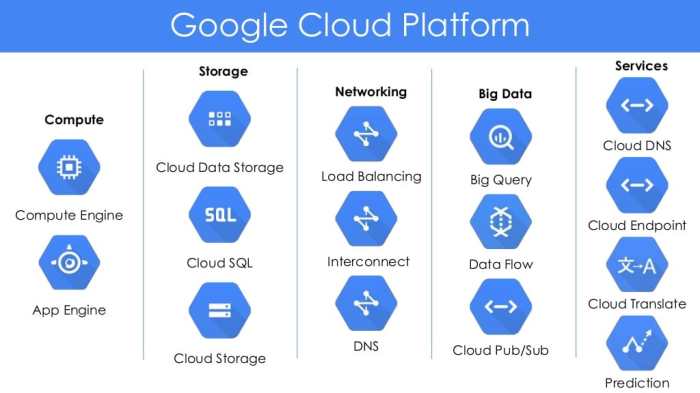
- Google Cloud Platform: Known for its scalability and advanced data analytics capabilities, Google Cloud Platform provides IaaS services to businesses of all sizes.
Key Features and Advantages of Using IaaS
- Scalability: IaaS allows users to scale resources up or down based on demand, providing flexibility and cost-efficiency.
- Resource Pooling: Resources are shared across multiple users, allowing for efficient utilization and cost savings.
- Security: IaaS providers implement robust security measures to protect data and infrastructure from cyber threats.
- Automation: Automated provisioning and management of resources help streamline operations and reduce manual tasks.
Platform as a Service (PaaS)
Platform as a Service (PaaS) is a cloud computing service model that provides a platform allowing customers to develop, run, and manage applications without the complexity of building and maintaining the infrastructure typically associated with developing and launching an application.
PaaS offers a complete development and deployment environment in the cloud, including tools for coding, testing, and hosting applications.
Significance of PaaS in Cloud Computing
PaaS is significant in cloud computing as it allows developers to focus on creating innovative applications without worrying about the underlying infrastructure. By leveraging PaaS, businesses can reduce time-to-market for their applications, scale resources easily, and benefit from cost savings by paying only for the resources they use.
PaaS also enables collaboration among development teams regardless of their physical location, promoting efficiency and agility in application development.
Differences between PaaS and Other Cloud Service Models
- Infrastructure as a Service (IaaS) provides virtualized computing resources over the internet, while PaaS offers a complete platform for application development.
- PaaS abstracts the complexity of managing infrastructure, operating systems, and middleware from developers, unlike Software as a Service (SaaS) which delivers applications directly over the internet.
- PaaS is tailored for developers looking to build, test, and deploy applications, while IaaS focuses on providing virtualized hardware resources such as virtual servers and storage.
Notable PaaS Offerings and Functionalities
Some notable PaaS offerings include Microsoft Azure App Service, Google App Engine, and Heroku. These platforms provide a range of services such as application hosting, database management, and integration with other cloud services. For example, Azure App Service offers support for multiple programming languages, automated deployment, and scalability features to streamline application development and deployment processes.
Leveraging PaaS for Application Development and Deployment
Businesses can leverage PaaS to accelerate application development by providing a ready-to-use platform with development tools, libraries, and frameworks. PaaS offerings enable developers to collaborate, build, test, and deploy applications quickly, reducing time and effort required for setup and configuration.
By leveraging PaaS, businesses can focus on innovation and delivering value to customers while the platform takes care of the underlying infrastructure and operational tasks.
Software as a Service (SaaS)
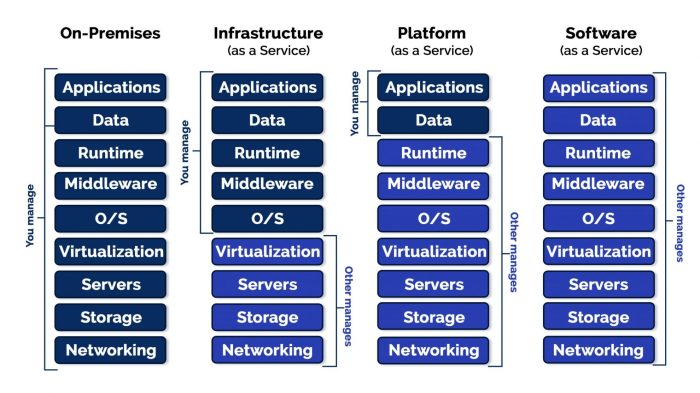
Software as a Service (SaaS) is a cloud computing model where software applications are hosted by a third-party provider and made available to customers over the internet. Users can access these applications without the need for installation or maintenance, as everything is managed by the service provider.
Applications of SaaS
- SaaS is commonly used for email services, customer relationship management (CRM) software, and collaboration tools like Google Workspace and Microsoft 365.
- Businesses also leverage SaaS for project management, accounting, and human resources management software to streamline operations and increase efficiency.
Benefits of SaaS for Businesses
-
Cost-effective:
SaaS eliminates the need for upfront hardware and software investments, reducing IT infrastructure costs for businesses.
-
Scalability:
Businesses can easily scale their software usage up or down based on their needs, allowing for flexibility in operations.
-
Automatic Updates:
Service providers handle software updates and maintenance, ensuring that businesses always have access to the latest features and security patches.
Popular SaaS Solutions
- Salesforce:A leading CRM platform that helps businesses manage customer relationships and sales processes.
- Zoom:A video conferencing tool that gained popularity during the remote work boom, enabling seamless communication among teams.
- Slack:A collaboration hub that facilitates team communication and project management in real-time.
Customization and Scalability of SaaS Offerings
- SaaS solutions often offer customization options to tailor the software to specific business needs, allowing for a more personalized user experience.
- Businesses can easily scale their SaaS usage as they grow, adding or removing users and features without the need for extensive IT support.
Security and Compliance in Cloud Computing Services
Cloud computing services have revolutionized the way organizations store, manage, and access data. However, with the benefits of cloud technology come significant security and compliance considerations that must be addressed to protect sensitive information and ensure regulatory adherence.
Importance of Security Measures
Security measures in cloud computing services are crucial to safeguarding data from unauthorized access, breaches, and cyber threats. By implementing robust security protocols, organizations can mitigate risks and maintain the confidentiality, integrity, and availability of their data.
Common Security Challenges
- Inadequate data encryption leading to data leaks.
- Weak access controls resulting in unauthorized access.
- Shared infrastructure vulnerabilities exposing sensitive information.
- Lack of visibility and control over data stored in the cloud.
Compliance Requirements
Organizations using cloud services must adhere to various compliance standards and regulations to ensure data protection and privacy. Compliance requirements may include:
- GDPR (General Data Protection Regulation).
- HIPAA (Health Insurance Portability and Accountability Act).
- PCI DSS (Payment Card Industry Data Security Standard).
- SOC 2 (Service Organization Control 2).
Best Practices for Data Security and Compliance
- Implement strong encryption mechanisms for data at rest and in transit.
- Employ multi-factor authentication to enhance access controls.
- Regularly audit and monitor cloud environments for security vulnerabilities.
- Ensure data segregation and isolation to prevent unauthorized access.
- Choose cloud providers with robust security certifications and compliance frameworks.
Last Point
In conclusion, cloud computing services are not just a trend but a fundamental shift in how we approach technology. Embracing the cloud offers businesses scalability, flexibility, and enhanced security, making it a crucial element in the digital landscape.
Common Queries
What are the primary components of cloud computing services?
The primary components include infrastructure as a service (IaaS), platform as a service (PaaS), and software as a service (SaaS).
How does PaaS differ from other cloud service models?
PaaS focuses on providing a platform for developers to build, deploy, and manage applications without worrying about the underlying infrastructure.
What are some common security challenges faced by cloud service providers?
Common challenges include data breaches, insecure APIs, misconfigured cloud storage, and lack of visibility into security controls.