Embark on a journey into the realm of enterprise cloud solutions, where businesses harness the power of the cloud to drive innovation and efficiency. This article delves into the intricacies of this cutting-edge technology, offering insights into its benefits, implementation strategies, security considerations, and cost management techniques.
Overview of Enterprise Cloud Solutions
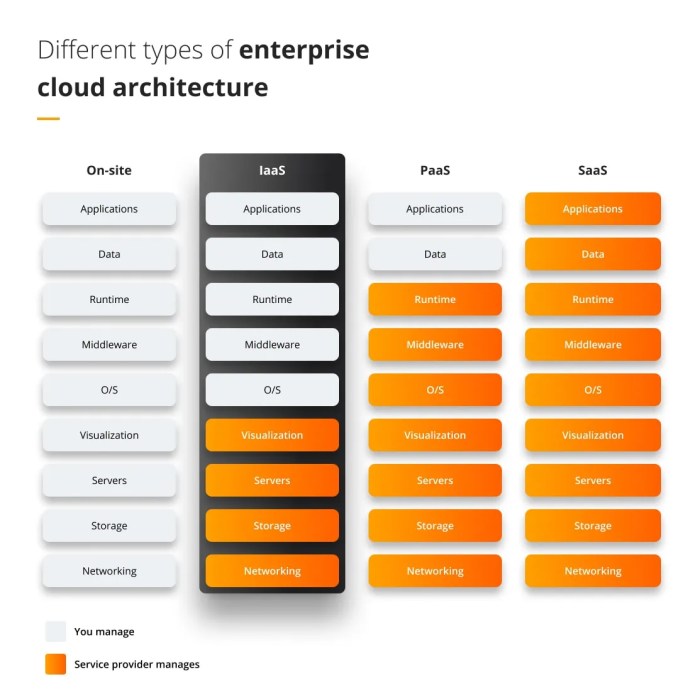
Enterprise cloud solutions refer to cloud computing services specifically designed to meet the needs of large organizations and businesses. These solutions offer a range of services, including infrastructure as a service (IaaS), platform as a service (PaaS), and software as a service (SaaS), tailored to meet the scalability, security, and compliance requirements of enterprises.Some benefits of using enterprise cloud solutions include increased flexibility and scalability, cost-effectiveness, improved collaboration and productivity, enhanced security measures, and easier access to cutting-edge technologies like artificial intelligence and data analytics.
Popular Enterprise Cloud Solution Providers
- Amazon Web Services (AWS): A leading provider of cloud computing services, offering a wide range of solutions for enterprises, including storage, compute power, database management, and more.
- Microsoft Azure: Microsoft's cloud platform provides a comprehensive set of services for building, deploying, and managing applications across a global network of data centers.
- Google Cloud Platform (GCP): Google's cloud services offer a suite of tools for computing, storage, machine learning, and data analytics, tailored to meet the needs of businesses of all sizes.
Implementation of Enterprise Cloud Solutions
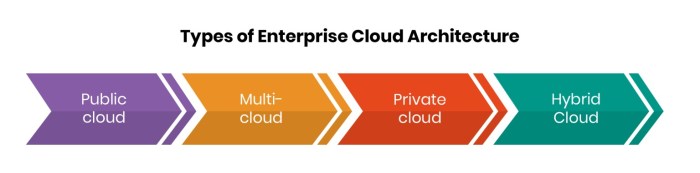
Implementing enterprise cloud solutions involves a series of steps to ensure a smooth transition and integration within an organization.
Steps in Implementing Enterprise Cloud Solutions
- Assessment of Current Infrastructure: Evaluate the existing IT infrastructure to identify areas that can be migrated to the cloud.
- Setting Objectives: Define clear goals and objectives for migrating to the cloud, such as improved scalability, cost savings, or enhanced security.
- Choosing the Right Cloud Service Provider: Select a reputable cloud service provider that aligns with the organization's needs and requirements.
- Data Migration: Transfer data and applications to the cloud while ensuring data security and integrity throughout the process.
- Testing and Optimization: Conduct thorough testing to ensure that the cloud solutions are functioning as expected and optimize performance if needed.
- Training and Adoption: Provide training to employees to familiarize them with the new cloud solutions and ensure smooth adoption within the organization.
Approaches to Migrating to Enterprise Cloud Solutions
- Lift and Shift: Involves moving existing applications and data to the cloud without making significant changes, ideal for quick migration.
- Replatforming: Involves making some adjustments to applications to optimize them for the cloud environment, balancing speed and customization.
- Refactoring: Requires redesigning applications to fully leverage cloud-native features, offering the highest level of customization and performance.
Security Considerations in Enterprise Cloud Solutions
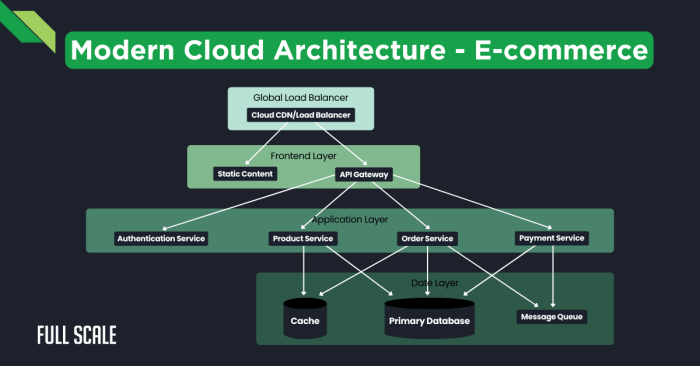
When it comes to implementing enterprise cloud solutions, security is a top concern for organizations. Ensuring the confidentiality, integrity, and availability of data stored in the cloud is crucial to protect sensitive information and maintain trust with customers and stakeholders.
Common Security Challenges in Enterprise Cloud Solutions
- Unauthorized access: One of the biggest security challenges is the risk of unauthorized users gaining access to sensitive data stored in the cloud. This can lead to data breaches and compromise the confidentiality of information.
- Data loss: Another common challenge is the potential for data loss due to accidental deletion, corruption, or malicious attacks. Implementing robust backup and recovery mechanisms is essential to mitigate this risk.
- Compliance requirements: Meeting regulatory and compliance requirements is a significant challenge for organizations using enterprise cloud solutions. Ensuring data protection and privacy in accordance with industry standards is crucial.
Best Practices for Securing Data in the Cloud
- Use strong authentication methods: Implement multi-factor authentication to verify the identity of users accessing cloud resources and data.
- Encrypt data in transit and at rest: Utilize encryption to protect data both when it is being transmitted over the network and when it is stored in the cloud. This helps safeguard sensitive information from unauthorized access.
- Regularly update security patches: Keep systems and applications up to date with the latest security patches to address vulnerabilities and protect against potential cyber threats.
Role of Encryption in Securing Enterprise Cloud Solutions
Encryption is a key component of securing data in the cloud. By encrypting data, organizations can ensure that even if unauthorized users gain access to the information, they will not be able to decipher it without the encryption key. This helps protect sensitive data from breaches and unauthorized disclosure, providing an additional layer of security for enterprise cloud solutions.
Cost Management with Enterprise Cloud Solutions
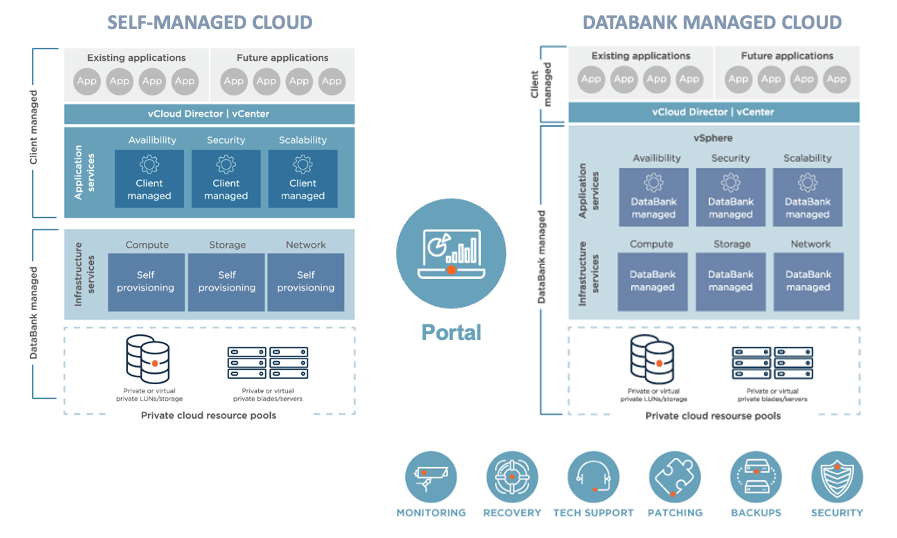
Effective cost management is crucial for organizations looking to leverage enterprise cloud solutions. By implementing cost-saving strategies and taking advantage of scalability options, businesses can optimize their cloud expenses while maximizing the benefits.
Cost-Saving Strategies with Enterprise Cloud Solutions
- Utilize pay-as-you-go pricing models: Organizations can benefit from paying only for the resources they use, allowing for better cost control and flexibility.
- Optimize resource allocation: By monitoring and adjusting resource allocation based on demand, companies can avoid unnecessary expenses and ensure efficient use of cloud resources.
- Implement automation: Automation tools can streamline processes, reduce manual labor costs, and increase operational efficiency in the cloud environment.
Scalability Options for Enterprises
- Vertical scaling: Organizations can vertically scale their cloud resources by adding more power to existing servers, accommodating increased workload without changing the infrastructure.
- Horizontal scaling: Horizontal scaling involves adding more servers to distribute the workload, providing greater flexibility and scalability for handling varying levels of demand.
- Elasticity: Cloud solutions offer elasticity, allowing businesses to scale resources up or down based on real-time requirements, ensuring optimal performance and cost-effectiveness.
Final Conclusion

In conclusion, enterprise cloud solutions represent a pivotal shift in the way organizations operate, enabling them to scale, secure data effectively, and optimize costs. As businesses continue to embrace the cloud, understanding the nuances of enterprise cloud solutions is essential for staying competitive in today's digital landscape.
Question Bank
What are the key benefits of enterprise cloud solutions?
Enterprise cloud solutions offer scalability, cost-efficiency, and enhanced data security for businesses.
How can organizations effectively manage costs with enterprise cloud solutions?
Organizations can manage costs by optimizing resource allocation, leveraging pay-as-you-go models, and monitoring usage patterns.
What role does encryption play in securing enterprise cloud solutions?
Encryption plays a crucial role in safeguarding data in the cloud by encoding information to prevent unauthorized access.